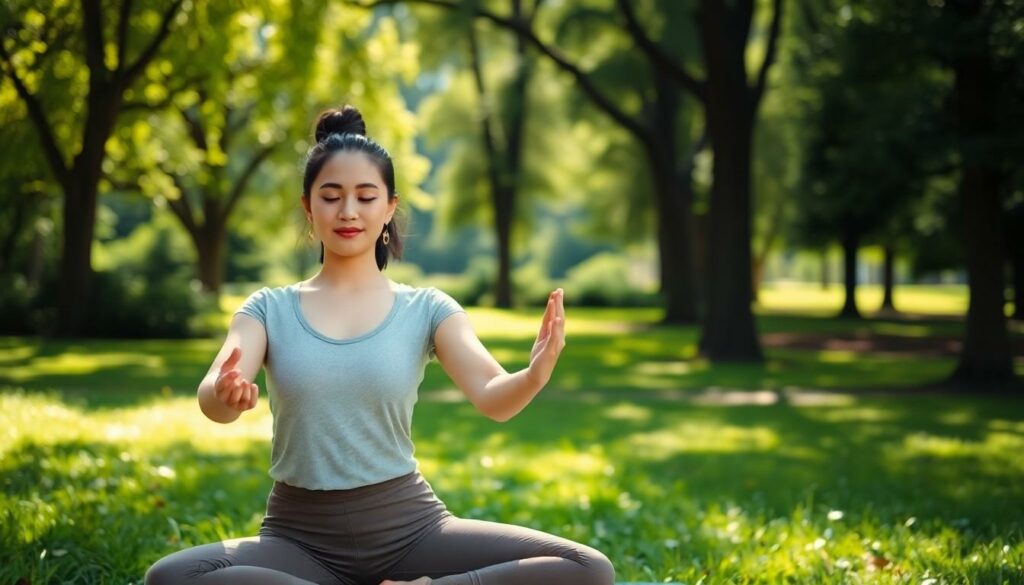
In today’s fast-paced world, self-care often takes a backseat to the never-ending to-do lists. But let’s face it—neglecting personal well-being is like trying to charge your phone with a potato. It just doesn’t work! Embracing self-care isn’t just a luxury; it’s a necessity for maintaining sanity and happiness.
Importance Of Self Care
Self-care plays a crucial role in sustaining overall health. Prioritizing physical, emotional, and mental well-being can lead to enhanced productivity and better relationships. Individuals who engage regularly in self-care activities exhibit lower stress levels and improved moods.
Neglecting self-care results in detrimental effects, similar to operating a device without adequate power. Such neglect can lead to burnout, anxiety, and feelings of isolation. The correlation between neglect and deteriorating health reinforces the necessity of self-care.
Regular self-care practices promote resilience during stressful times. By incorporating activities like exercise, meditation, or quality time with loved ones, individuals can nurture their well-being. Finding balance becomes easier when self-care is a consistent effort.
Individuals often overlook self-care as being self-indulgent. However, it constitutes an essential aspect of self-preservation. From maintaining a healthy diet to ensuring quality sleep, these activities contribute significantly to overall wellness.
Focusing on oneself fosters personal growth and self-awareness. Engaging in hobbies or learning new skills encourages creativity and enhances self-esteem. Investing time in self-care enables stronger connections with others and a more fulfilling life.
Types Of Self Care
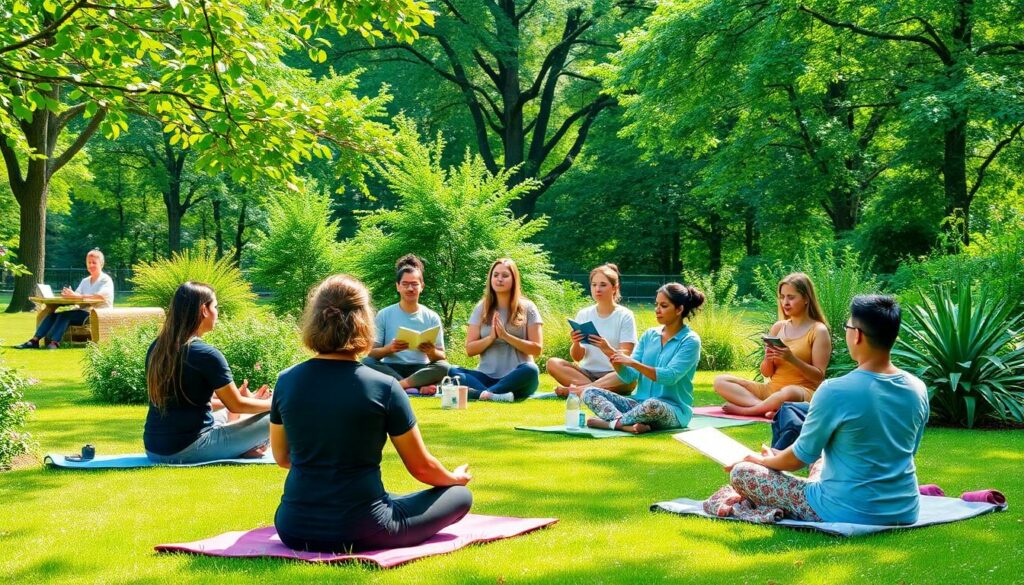
Understanding the various types of self-care is essential for maintaining overall well-being. Engaging in different forms modifies individual health outcomes.
Physical Self Care
Physical self-care encompasses activities that promote bodily health. Regular exercise, like walking or yoga, enhances fitness levels and stamina. Nutrition plays a crucial role; consuming balanced meals supports energy and vitality. Adequate sleep also cannot be overlooked. Prioritizing rest strengthens the immune system and improves focus. Hydration keeps the body functioning optimally. Practicing good hygiene reinforces physical well-being. Each of these elements contributes significantly to overall health.
Emotional Self Care
Emotional self-care involves recognizing and regulating feelings. Practicing mindfulness techniques helps individuals process emotions effectively. Journaling fosters self-reflection, allowing for emotional clarity. Communicating openly with trusted friends encourages support and connection. Engaging in hobbies provides an outlet for creativity and joy. Setting boundaries protects mental space and reduces stress. Each strategy plays a role in nurturing emotional resilience.
Mental Self Care
Mental self-care focuses on stimulating cognitive well-being. Reading books or taking online courses promotes growth and knowledge. Puzzles and games challenge the mind and enhance problem-solving skills. Limiting screen time reduces mental clutter. Regular breaks during work improve concentration and productivity. Through these activities, individuals can maintain mental sharpness and clarity.
Spiritual Self Care
Spiritual self-care nurtures the inner self through connection and reflection. Meditation and deep breathing promote tranquility and awareness. Spending time in nature inspires feelings of peace and gratitude. Engaging in community service strengthens bonds and enhances purpose. Exploring personal beliefs encourages introspection and growth. Each practice fosters deeper connections with oneself and the world.
Popular Self Care Things To Do
Numerous self-care activities promote personal well-being. Each activity can contribute significantly to mental and emotional health.
Activities For Relaxation
Meditation brings clarity and tranquility, allowing individuals to center their thoughts. Yoga combines physical movement with deep breathing, enhancing flexibility and reducing stress. Aromatherapy uses essential oils to create a calming environment, improving mood and relaxation. Taking warm baths infused with calming scents soothes muscles and quiets the mind. Engaging in deep breathing exercises can restore calmness anytime throughout the day. Reading fiction provides an escape, promoting relaxation and mental engagement. These activities collectively recharge the mind and body, essential for well-being.
Creative Outlets
Creative activities unlock imagination and foster self-expression. Painting allows individuals to convey emotions through colors and forms, reducing stress levels. Writing in journals encourages reflection and clarifies thoughts, providing emotional relief. Playing musical instruments not only entertains but also enhances cognitive skills, producing joy. Engaging in crafting activities—like knitting or scrapbooking—promotes mindfulness, keeping one grounded in the present moment. Photography captures beauty and meaningful experiences, encouraging appreciation of life and moments. These creative pursuits nourish the spirit, supporting mental health.
Nature Engagement
Spending time outdoors rejuvenates mind and body, offering a natural setting for relaxation. Hiking through nature trails connects individuals with their surroundings, promoting mindfulness. Walking in parks enhances mood while providing gentle physical exercise. Gardening fosters a sense of responsibility and nurture, contributing positively to mental health. Birdwatching encourages patience and observation, cultivating peace. Picnicking in green spaces creates opportunities for social interaction and enjoyment. Nature engagement overall strengthens emotional resilience, reinforcing the importance of outdoor activities for well-being.
Creating Your Self Care Routine
Creating an effective self-care routine involves intentional planning and execution. Prioritizing self-care ensures lasting well-being and fosters healthier habits.
Setting Realistic Goals
Establishing achievable goals lays the foundation for a successful routine. Focus on specific, measurable, attainable, relevant, and time-bound (SMART) goals. Outline clear objectives, such as dedicating 20 minutes to exercise five days a week. Adjust goals as life circumstances change to maintain motivation. Celebrate small victories to encourage ongoing progress and reinforce positive behavior. Tracking achievements fosters accountability and highlights areas for improvement.
Incorporating Self Care Into Daily Life
Integrating self-care into daily activities enhances consistency. Start with small, manageable practices, like a morning meditation or a 10-minute walk. Schedule activities in planners or calendars to ensure commitment. Pair self-care tasks with existing routines, such as using a daily commute for listening to audiobooks. Embrace breaks for mindful breathing or stretching, making them part of the workday. Establishing these habits transforms self-care from a chore into a natural, enjoyable part of life.
Prioritizing self-care is essential for maintaining a balanced and fulfilling life. By incorporating various self-care practices into daily routines individuals can enhance their mental and emotional well-being. It’s not just about indulgence but about nurturing oneself to build resilience against stress and anxiety.
Establishing a consistent self-care routine fosters personal growth and self-awareness. Whether through physical activities or creative outlets each step taken toward self-care contributes to a healthier mindset and stronger connections with others. Embracing these practices not only improves individual health outcomes but also enriches daily experiences.
Ultimately self-care is a vital investment in personal happiness and overall wellness. Making time for oneself is a powerful way to recharge and thrive in today’s fast-paced world.