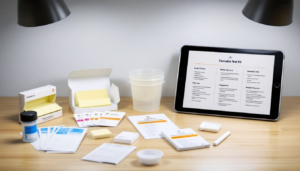
In a world that often feels like a never-ending treadmill of responsibilities, self-care essentials can feel like a luxury rather than a necessity. But let’s face it: if you don’t take care of yourself, who will? Think of self-care as your secret weapon against stress, burnout, and that ever-present existential dread. It’s not just about bubble baths and face masks—though those are great too. It’s about arming yourself with the tools to thrive.
Imagine strolling through life with a toolkit designed for your well-being. From mood-boosting snacks to cozy retreats, self-care essentials are the ultimate game-changers. They help recharge your batteries and keep you from turning into a grumpy cactus. So, let’s dive into the must-haves that’ll transform your self-care routine from “meh” to “heck yes!” Get ready to embrace a happier, healthier you.
Understanding Self Care Essentials
Self-care represents a crucial practice for maintaining physical and mental well-being. Recognizing its value shifts perspective toward a holistic approach to health.
Definition of Self Care
Self-care encompasses actions individuals take to enhance their health and well-being. Activities include prioritizing rest, proper nutrition, and engaging in enjoyable hobbies. Self-care strategies vary among people, focusing on both physical and emotional needs. Maintaining personal hygiene and creating boundaries also contribute to effective self-care. Recognizing one’s unique requirements informs the self-care process, leading to better life balance.
Importance of Self Care
Self-care serves as a foundational aspect of overall health. Engaging in regular self-care activities helps reduce stress and prevent burnout. Research shows that individuals who prioritize self-care often experience improved mood and increased productivity. Enhanced resilience against life’s challenges results from consistent self-care practices. By fostering a healthier mindset, self-care contributes to long-term physical and mental well-being. Prioritizing self-care leads to better relationships and a more satisfying life.
Essential Categories of Self Care
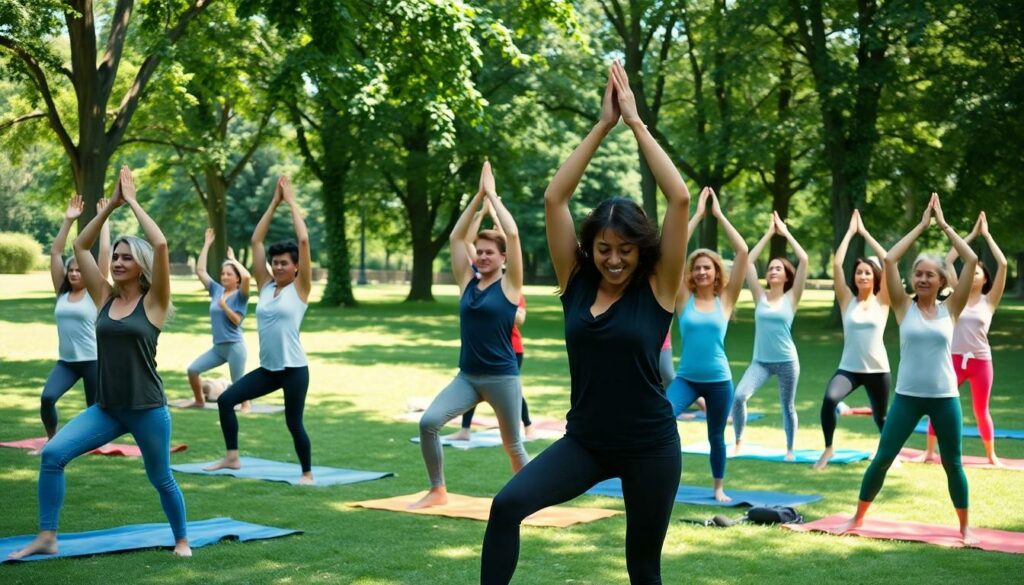
Self-care encompasses diverse categories that address various aspects of well-being. Focusing on every area promotes a balanced life.
Physical Self Care
Physical self-care includes activities that strengthen the body and boost overall health. Regular exercise, balanced nutrition, and adequate sleep form the foundation for physical wellness. Incorporating movement into daily routines, such as walking or yoga, enhances energy levels. Nutrient-rich foods, including fruits and vegetables, support immune function and vitality. Prioritizing hydration with sufficient water intake also contributes to optimal bodily functions. Scheduling regular check-ups and addressing health concerns promptly ensures proactive care.
Emotional Self Care
Emotional self-care involves recognizing and validating feelings. Journaling serves as an effective outlet for processing emotions. Connecting with supportive friends or family fosters understanding and reduces isolation. Engaging in creative activities, like painting or music, allows for self-expression and healing. Setting boundaries protects emotional energy and enhances relationships. Regularly practicing mindfulness or meditation techniques strengthens emotional awareness. These practices cultivate resilience against stressors and promote a sense of stability.
Mental Self Care
Mental self-care focuses on maintaining cognitive health and clarity. Engaging in challenging activities helps stimulate the mind, such as puzzles, reading, or learning new skills. Limiting screen time and social media use benefits mental clarity and reduces anxiety. Prioritizing relaxation techniques, like deep breathing or meditation, calms racing thoughts. Continuous learning keeps the mind sharp and engaged, encouraging lifelong growth. Seeking professional help when needed can provide tools and support for mental well-being.
Spiritual Self Care
Spiritual self-care nurtures the inner self and enhances personal beliefs or values. Engaging in practices like meditation or prayer promotes inner peace and clarity. Spending time in nature allows for reflection and connection to something greater than oneself. Exploring different philosophies or spiritual teachings encourages personal growth and understanding. Participating in community service fosters a sense of purpose and belonging. Prioritizing gratitude practices also enriches one’s outlook on life and strengthens spiritual connections.
Top Self Care Essentials for Daily Practice
Daily self-care practices foster overall well-being. Prioritizing essential tools and engaging activities enhances mental, emotional, and physical health.
Self Care Tools and Products
Quality self-care tools provide tangible support. Products like essential oils for relaxation, journals for reflection, and skincare items promote physical well-being. Meditation apps offer guided sessions that enhance mindfulness. Comfortable clothing creates a cozy environment, encouraging relaxation. High-quality water bottles ensure hydration, promoting physical health. An effective planner helps manage tasks, reducing stress. Invest in items that resonate personally and create a comfortable routine.
Activities for Self Care
Incorporating enjoyable activities into daily routines boosts well-being. Engaging in regular exercise invigorates the body and mind, while creative pursuits like painting stimulate mental health. Practicing mindfulness through meditation sharpens focus and reduces anxiety. Spending time in nature fosters emotional balance and promotes happiness. Reading introduces new ideas and perspectives, enhancing cognitive well-being. Connecting with friends or family combats loneliness and strengthens relationships. Participating in hobbies nurtures personal interests and provides a sense of fulfillment.
Tips for Incorporating Self Care Into Your Routine
Incorporating self-care into daily life enhances well-being and happiness. Practical strategies can empower individuals to prioritize their health.
Creating a Self Care Schedule
Building a self-care schedule promotes consistency and accountability. Designate specific times during the week for activities like exercise, meditation, or relaxation. Use planners or digital calendars to block out these moments, ensuring they become a routine part of life. Sticking to the schedule helps reinforce personal boundaries. Communicate the plan to friends and family for additional support. This shared understanding creates a supportive environment, making it easier to focus on self-care. Consistency along with flexibility allows adjustments when life’s demands change.
Setting Realistic Goals
Setting realistic self-care goals fosters motivation and purpose. Begin by identifying specific areas for improvement, whether physical, emotional, or mental. Create manageable, measurable goals that fit within an existing schedule. For instance, aim to exercise twice a week or practice mindfulness for ten minutes daily. Break larger objectives into smaller steps, making them less overwhelming. Tracking progress enhances accountability, sparking positive momentum. Celebrate achievements, however small, to maintain motivation. Prioritizing personal needs becomes more manageable when goals remain realistic and aligned with one’s lifestyle.
Embracing self-care is essential for navigating the complexities of modern life. By recognizing its significance as a fundamental aspect of well-being individuals can cultivate resilience and enhance their overall happiness. The integration of self-care practices into daily routines not only reduces stress but also fosters stronger relationships and improved productivity.
Making time for physical emotional mental and spiritual self-care creates a balanced approach to personal health. As individuals prioritize their needs and set achievable goals they empower themselves to lead more fulfilling lives. By treating self-care as a vital toolkit they can unlock the potential for greater joy and satisfaction in every aspect of life.