In a world where kids juggle school, sports, and a social life that rivals a Hollywood blockbuster, self-care isn’t just a buzzword—it’s a superhero cape! Teaching children the art of self-care is like giving them a secret weapon against stress, anxiety, and the occasional meltdown over broccoli. Who knew that encouraging a little pampering could lead to happier, healthier kiddos?
Understanding Self Care for Kids
Self-care for kids encompasses a variety of practices that promote physical, emotional, and mental health. Encouraging routines that include healthy eating, exercise, adequate sleep, and time for relaxation can significantly impact overall well-being. Kids benefit from routines that teach the importance of self-regulation.
Physical activities, such as playing outside or participating in sports, boost endorphins and reduce stress. Engaging in regular exercise cultivates positive habits early, nurturing lifelong health. Developing a balanced diet rich in fruits, vegetables, and whole grains fosters not just physical health but also influences mood and energy levels.
Emotional health requires attention, too. Creating a space for children to express feelings and practice mindfulness leads to better emotional regulation. Mindfulness exercises, such as deep breathing or guided imagery, provide tools for coping with anxiety.
Incorporating creative outlets like drawing, writing, or crafting offers kids a way to process emotions. Activities that allow for expression help children articulate feelings and foster self-awareness.
Establishing healthy boundaries between schoolwork, play, and rest contributes to a balanced lifestyle. Allocating time for hobbies encourages self-discovery and builds confidence.
Teaching the significance of self-care early on equips children with tools for managing stress as they grow. The implementation of self-care strategies not only enhances happiness but also develops resilience against life’s challenges. Through nurturing self-care practices, parents empower their children to prioritize their health and well-being throughout their lives.
Importance of Self Care
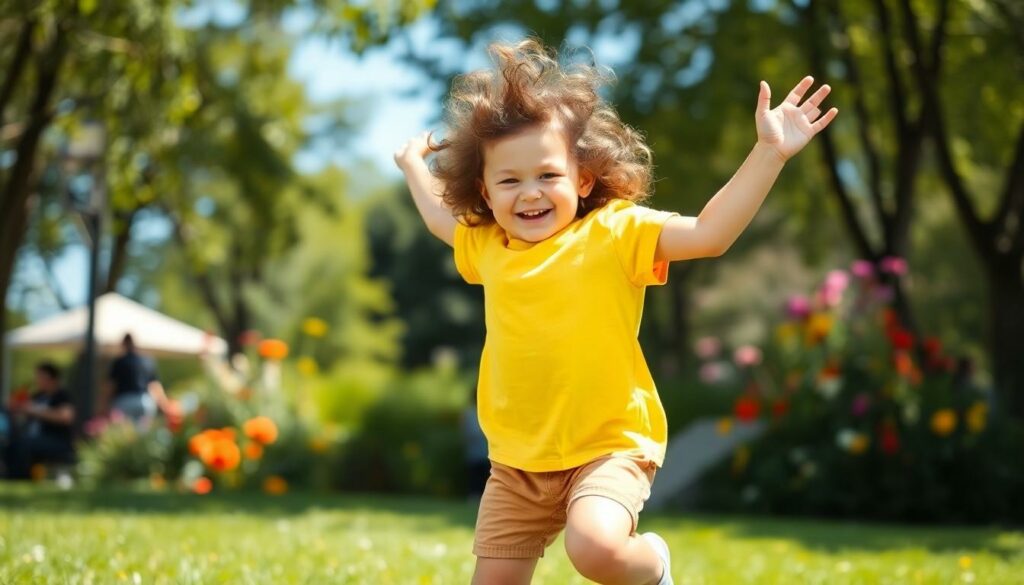
Self-care is crucial for children as it promotes a balanced lifestyle and fosters overall well-being. Implementing self-care practices early helps kids thrive in multiple aspects of their lives.
Physical Benefits
Physical health significantly improves with self-care. Regular exercise, like playing outside or participating in sports, increases endorphin production and reduces stress levels. Adequate sleep plays a vital role, allowing bodies to recover and grow. A balanced diet, rich in nutrients, influences energy levels and enhances mood. Kids who engage in healthy habits experience fewer illnesses, leading to fewer absences from school. They also develop lifelong habits that prioritize their health.
Psychological Benefits
Psychological well-being relies heavily on self-care practices. Spaces that encourage children to express their feelings foster emotional health. Art, like drawing or writing, serves as an outlet for processing emotions and building self-awareness. Mindfulness techniques support emotional regulation, allowing kids to handle stress effectively. Establishing boundaries between work and play contributes to a sense of stability. Children with strong self-care skills show improved resilience and adaptability when faced with challenges. These psychological benefits empower them to manage emotions positively throughout their lives.
Strategies for Teaching Self Care
Teaching children self-care involves practical strategies tailored to their age. Parents can introduce various age-appropriate activities to support physical and emotional health while encouraging independence to foster confidence.
Age-Appropriate Activities
Children require activities suited to their developmental stages. For toddlers, simple tasks like washing hands and choosing outfits build hygiene awareness and personal expression. School-aged kids benefit from meal planning and ice-skating, which enhance decision-making skills and promote physical activity. Pre-teens can tackle homework organization and engage in hobbies that encourage self-discovery. Teens should prioritize sleep hygiene, time management, and independent exercise routines, equipping them with tools for lifelong self-care practices.
Encouraging Independence
Independence plays a significant role in children’s self-care development. Allowing kids to make choices fosters confidence and responsibility. Parents can start by letting children prepare simple snacks or select their own outfits. Encouraging self-advocacy in school settings promotes communication and assertiveness. Setting a regular schedule for chores empowers children to take ownership of their responsibilities. Adults should support autonomy while being available for guidance. With appropriate boundaries and expectations, children become adept at managing their well-being and prioritizing self-care.
Fun Self Care Activities for Kids
Engaging children in self-care activities promotes emotional and physical well-being. Consider integrating play-based practices into daily routines. Art projects encourage creativity and emotional expression, allowing kids to express feelings through colors and shapes.
Cooking simple recipes can also bolster practical skills and healthy eating habits. Children can pick out ingredients at the grocery store, fostering ownership of their meals. Outdoor activities like bike riding or nature walks enhance physical fitness while reducing stress levels.
Mindfulness exercises serve as effective tools for emotional regulation. Breathing techniques and short meditation sessions help cultivate a sense of calm. Incorporating stories about kindness and empathy into family time reinforces positive emotional health.
Gardening offers an immersive way for kids to interact with nature. Planting flowers or vegetables cultivates responsibility and patience, nurturing a sense of accomplishment as they watch their plants grow. Playing team sports introduces collaboration, teamwork, and social skills, contributing to overall happiness.
Making time for quiet space enhances tranquility amid busy schedules. Setting aside moments for reading or relaxing with soft music enables emotional processing. Family game nights create bonding experiences while teaching children about balance between fun and rest.
Having a dedicated area for creative projects encourages regular self-expression. Craft supplies like paper, markers, and glue help kids delve into imaginative worlds. Dance parties in the living room energize spirits while promoting physical movement and joy.
Fostering these activities enables children to build self-care habits that persist into adulthood. Parents play a vital role in guiding and participating in these practices, ensuring that kids understand the importance of prioritizing their well-being.
Integrating Self Care into Daily Routines
Integrating self-care into daily routines benefits children’s overall well-being significantly. Parents can start by establishing consistent mealtimes, which encourage healthy eating habits. Regular physical activity becomes essential; engaging in games or sports outdoors boosts fitness levels and promotes stress relief.
Creating a sleep schedule also plays a vital role in children’s routines. Sticking to consistent bedtimes helps ensure adequate rest, supporting growth and cognitive function. Moreover, incorporating mindfulness techniques, like deep breathing or short meditation sessions, aids in emotional regulation.
Setting up designated areas allows children to express their feelings openly. These spaces can include cozy reading nooks or art corners that foster creativity and self-discovery. Encouraging children to choose their activities promises a sense of autonomy and responsibility.
Involving kids in household chores cultivates ownership and accountability. Assigning age-appropriate tasks helps them understand the value of contributing to family life while learning essential life skills. Striking a balance between schoolwork, play, and rest ensures a well-rounded daily routine.
Regular family activities enhance bonding and create opportunities for shared experiences. Game nights or cooking sessions become enjoyable ways to connect while teaching important lessons about teamwork and healthy habits.
Ultimately, integrating self-care into daily routines strengthens resilience against stressors. Consistent practices help children develop tools for managing emotions and prioritizing health, laying a foundation for lifelong well-being.
Emphasizing self-care for kids lays the foundation for a healthier and more balanced life. By integrating these practices into daily routines parents can help children develop essential skills for managing stress and enhancing emotional well-being.
Creating a supportive environment that encourages independence fosters confidence and responsibility in young ones. As they learn to prioritize their health they also become better equipped to face life’s challenges.
Ultimately instilling self-care habits early on not only benefits children’s physical health but also nurtures their mental resilience. This investment in their well-being will serve them well throughout their lives.