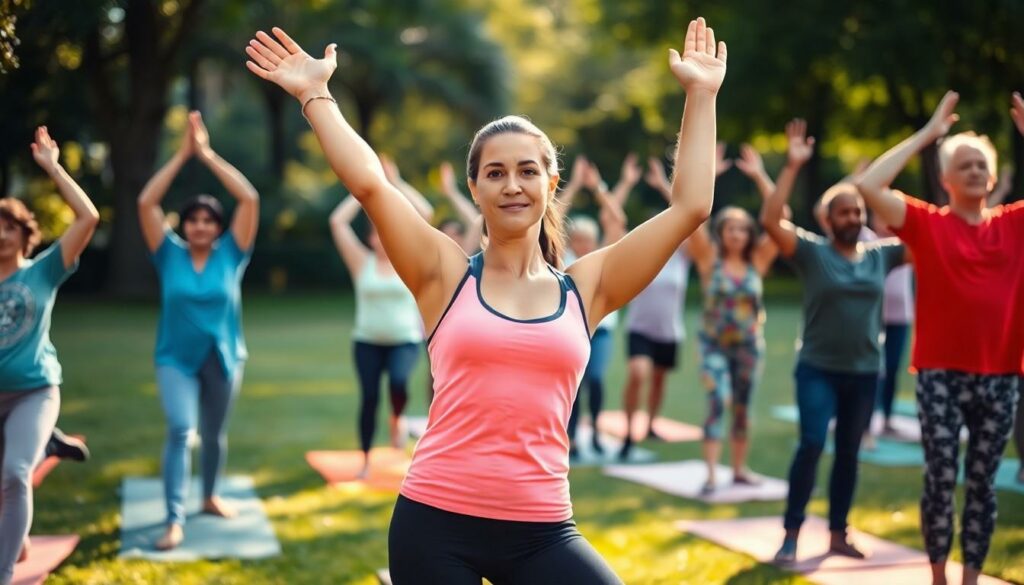
In a world where self-care often feels like a luxury reserved for Instagram influencers, standard wellness emerges as the unsung hero of everyday life. It’s not about sipping kale smoothies while doing yoga on a mountaintop; it’s about finding balance in the chaos of daily routines. Imagine a life where feeling good doesn’t require a degree in holistic healing or a bank account that rivals a small country’s GDP.
Overview of Standard Wellness
Standard wellness emphasizes accessible self-care methods, focusing on achieving balance in daily life. This approach contrasts sharply with the unrealistic wellness portrayals found on social media. Prioritizing mental and physical well-being, standard wellness advocates for practical strategies over extravagant practices. Self-care encompasses various forms, such as regular exercise, healthy eating, and sufficient sleep.
Individuals can adopt small, actionable habits to enhance their well-being without significant financial investment. Examples include taking short walks, preparing nutritious meals, and engaging in mindfulness exercises. Community support and social connections also play a crucial role in this wellness model. Establishing relationships with friends and family fosters emotional resilience and enhances overall health.
Standard wellness values inclusivity, ensuring everyone can access vital self-care resources. Diverse backgrounds and experiences contribute to a broader understanding of wellness. Workshops, community programs, and online resources offer guidance on achieving wellness goals.
Maintaining balance reflects the essence of standard wellness. It encourages people to listen to their bodies and respond to their needs. Regular check-ins with personal feelings can lead to improved mental clarity and emotional well-being. This holistic approach promotes continuous personal growth and encourages individuals to celebrate their unique wellness journeys.
Key Components of Standard Wellness
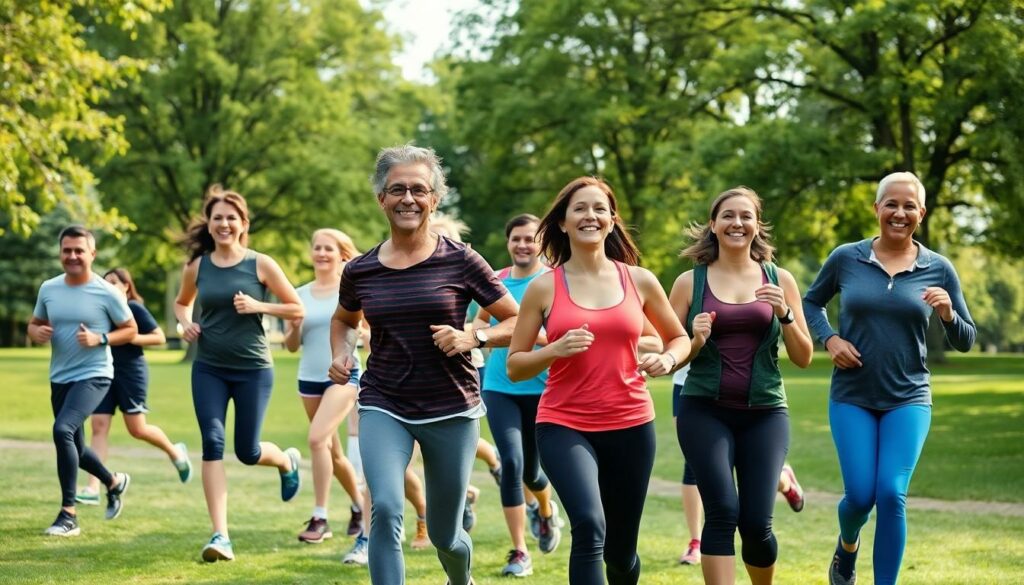
Standard wellness encompasses various dimensions of health that contribute to an overall balanced lifestyle. Focusing on practical strategies helps individuals navigate their wellness journeys effectively.
Physical Health
Physical health remains a crucial aspect of standard wellness. Engaging in regular exercise promotes cardiovascular fitness and enhances mood. Short walks or home workouts require minimal time and expense, making them accessible for everyone. Adequate sleep is essential for recovery and boosts energy levels throughout the day. Prioritizing everyday movement, such as choosing stairs over elevators, can lead to significant health benefits. Budget-friendly activities like community sports or outdoor group exercises also foster social connections, contributing to overall well-being.
Mental Health
Mental health plays a vital role in standard wellness. Mindfulness and stress management techniques enhance emotional resilience. Practicing gratitude through journaling or sharing feelings with friends creates a supportive environment. Connecting with others strengthens social bonds, reducing feelings of loneliness. Setting aside time for hobbies or creative outlets allows for relaxation and self-expression. Developing coping strategies, like focusing on breathing exercises during stressful moments, helps individuals maintain mental clarity and stability.
Nutritional Wellness
Nutritional wellness significantly impacts overall health. Preparing nutritious meals using whole foods supports bodily functions and energy levels. Eating a variety of fruits and vegetables ensures a balanced intake of essential vitamins and minerals. Meal planning can provide structure and help individuals make healthier choices while saving money. Hydration is equally important, as drinking enough water supports metabolism and cognitive function. Learning basic cooking skills fosters independence and encourages healthier eating habits without overspending.
Benefits of Standard Wellness
Standard wellness offers numerous benefits that enhance well-being and promote a balanced lifestyle. It emphasizes achievable strategies that anyone can implement.
Enhanced Quality of Life
Enhanced quality of life emerges from practical self-care strategies. Regular exercise contributes to physical health by boosting cardiovascular fitness. Activities like walking or home workouts promote mood improvement and energy levels. Additionally, nutritious meals foster better overall health and support emotional resilience. Mindfulness practices help manage stress, leading to increased mental clarity. Strong social connections also play a vital role, as they provide emotional support and reduce feelings of loneliness. All these elements intertwine to create an enriching experience that fosters happiness and satisfaction in daily life.
Improved Productivity
Improved productivity stems from a balanced approach to wellness. Physical activity increases energy and focus, allowing individuals to tackle tasks more efficiently. Adequate sleep enhances cognitive function and promotes clear thinking, which is essential for effective decision-making. Mindfulness techniques help reduce distractions, enabling individuals to maintain concentration on their work. When equipped with the right nutrition, individuals bolster their stamina and mental agility, which directly influences productivity levels. Involvement in community support networks fosters motivation and accountability, further enhancing performance across all aspects of life.
Implementing Standard Wellness Practices
Standard wellness emphasizes practical strategies individuals can employ daily for greater well-being.
Daily Routines
Prioritizing small, attainable activities enhances wellness. Incorporating short walks into routines promotes physical activity and overall fitness. Preparing nutritious meals at home builds healthy eating habits, while mindful moments throughout the day foster mental clarity. Establishing consistent sleep schedules ensures adequate rest, supporting recovery and energy levels. Each morning can start with a brief stretch or some deep breathing exercises. Engaging in simple routines creates a foundation for balanced living, impacting both mental and physical health positively.
Community Engagement
Community ties strengthen emotional resilience and support overall health. Participating in local wellness programs provides access to resources and education. Joining group exercises or wellness workshops fosters connections with others on similar journeys. Sharing experiences in supportive environments leads to motivation for sustained practice. Hospitals, local parks, and community centers often host free or low-cost wellness events. Collaborating with others enriches individual wellness efforts. Access to diverse backgrounds and perspectives enhances understanding of wellness, making it more inclusive for everyone involved.
Challenges in Achieving Standard Wellness
Achieving standard wellness presents several challenges that individuals face daily. These challenges stem from both societal barriers and individual obstacles.
Societal Barriers
Societal expectations often dictate what wellness should look like. Individuals encounter images of wellness that promote expensive gym memberships or exclusive retreats, leading to unrealistic standards. Access to healthy food remains limited in many neighborhoods, creating disparities in nutritional wellness. Furthermore, many workplaces do not prioritize mental health, leading to increased stress among employees. Cultural stigma surrounding mental health can deter individuals from seeking the support they need. Community engagement in wellness initiatives varies significantly, affecting overall access to helpful resources.
Individual Obstacles
Personal habits can hinder progress toward standard wellness. Time constraints influence the ability to maintain healthy routines around exercise and meals. Lack of knowledge about nutritious cooking techniques can lead to poor dietary choices. Motivation levels fluctuate, impacting consistency in wellness practices. Emotional barriers, such as anxiety, may prevent individuals from participating in group activities that foster community support. Existing health conditions can complicate efforts to adopt new wellness strategies. Recognizing these obstacles is critical for finding effective solutions to promote standard wellness.
Standard wellness offers a refreshing perspective on self-care by emphasizing accessibility and balance. It encourages individuals to prioritize their mental and physical health through simple and practical strategies. By focusing on small habits like regular exercise and nutritious eating, everyone can enhance their well-being without feeling overwhelmed.
The importance of community support and social connections cannot be overstated. They play a vital role in fostering emotional resilience and motivation. As individuals embrace their unique wellness journeys, they contribute to a more inclusive understanding of what it means to be well. Ultimately, standard wellness is about making self-care attainable for all, leading to improved quality of life and a healthier, happier society.